Cambridge IGCSE Mathematics (0580) · Probability · Quick revision
Relative frequency, expected frequency and fairness
How do the results estimate probability?
Relative frequency is the proportion of actual trials in which an event occurred. It estimates the chance under similar conditions.
Divide the observed success count by the number of trials. To pool comparable results, add the successes and add the trial totals before dividing.
How do I turn a chance into an expected count?
The expected frequency is .
Identify the event, check which trials are being predicted, then multiply the future trial count by the chance per trial.
Do unequal counts prove a process is biased?
A fair two-outcome model gives the two named outcomes equal chances. Random outcomes can still produce different observed counts.
Use randomly chosen trials under consistent conditions. Collect comparable evidence before concluding that one outcome is favoured.
Quick worked example
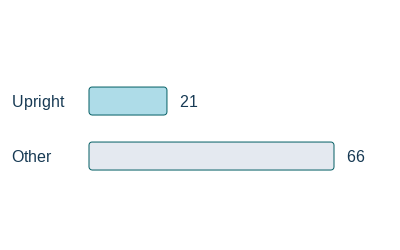
A paper propeller lands upright in 21 of 87 trials. Use relative frequency to estimate the probability of an upright landing. Give an exact fraction or decimal.
Use the observed results. Divide upright landings by the total number of trials, including unsuccessful landings.
This estimates the chance in similar trials. Repeating the experiment may give a different observed relative frequency.
The answer is .